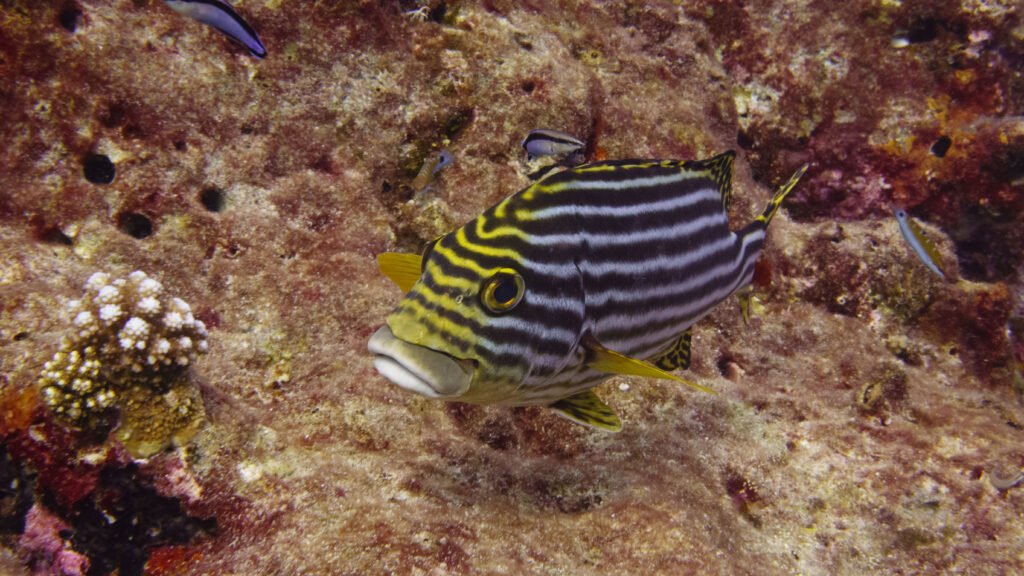
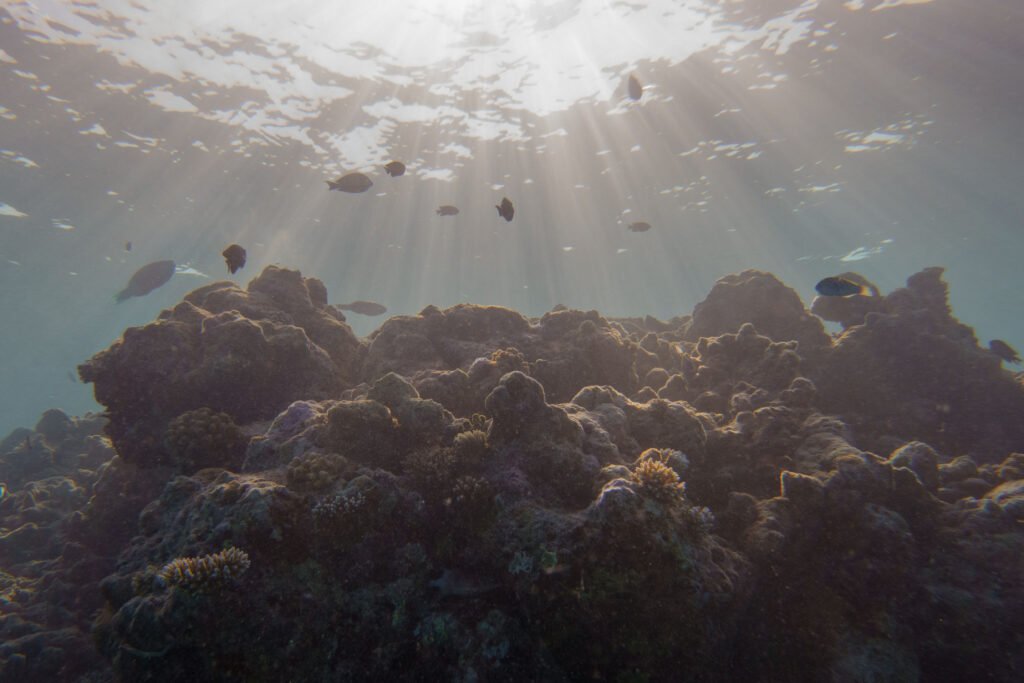
The diving in the Indian Ocean is vast, diverse, colorful, big and small. I feel like I have only touched the surface of what the Indian Ocean has to offer for diving.
- Indonesia
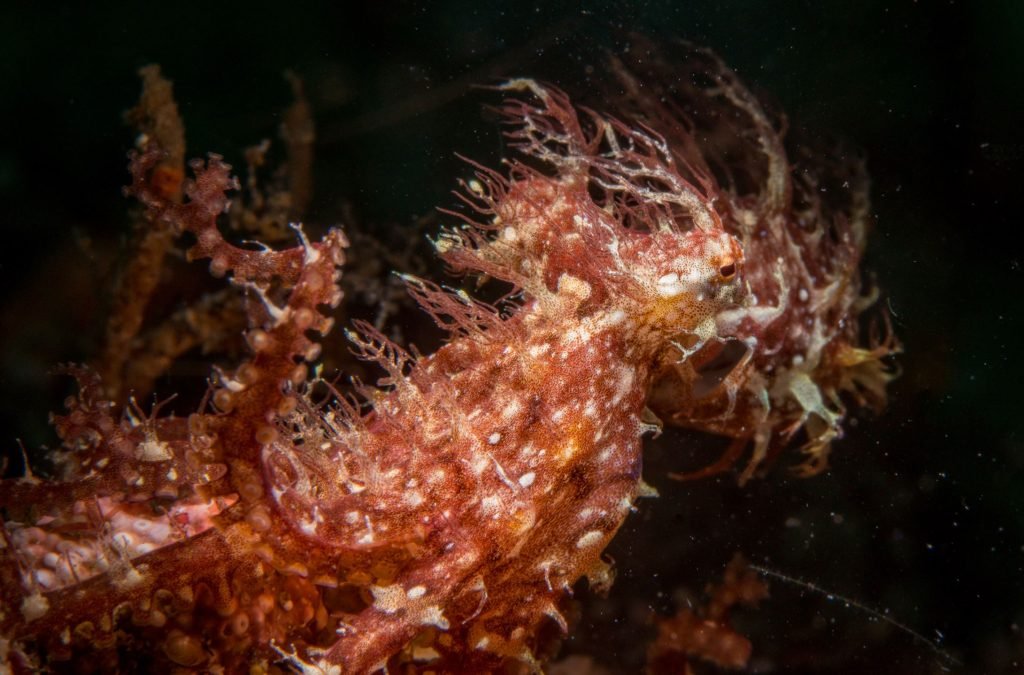
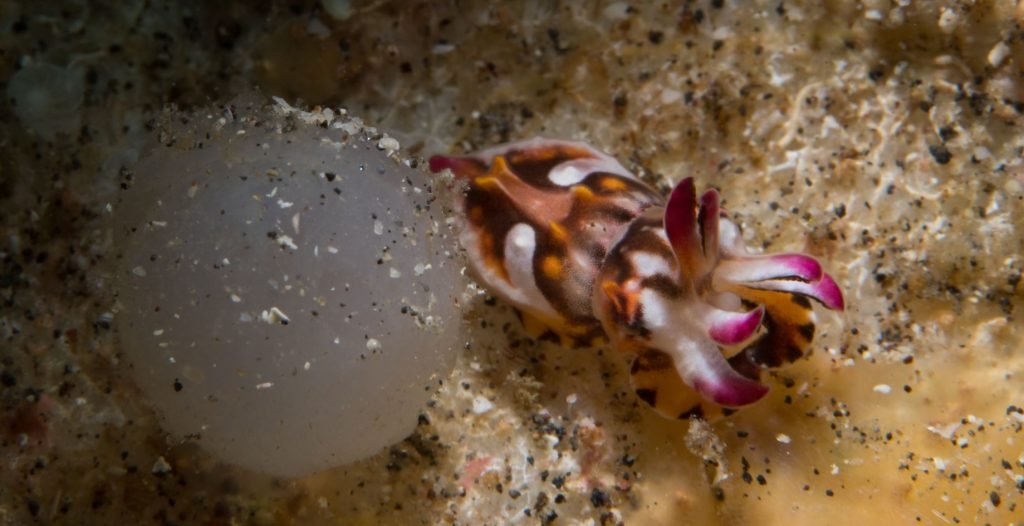
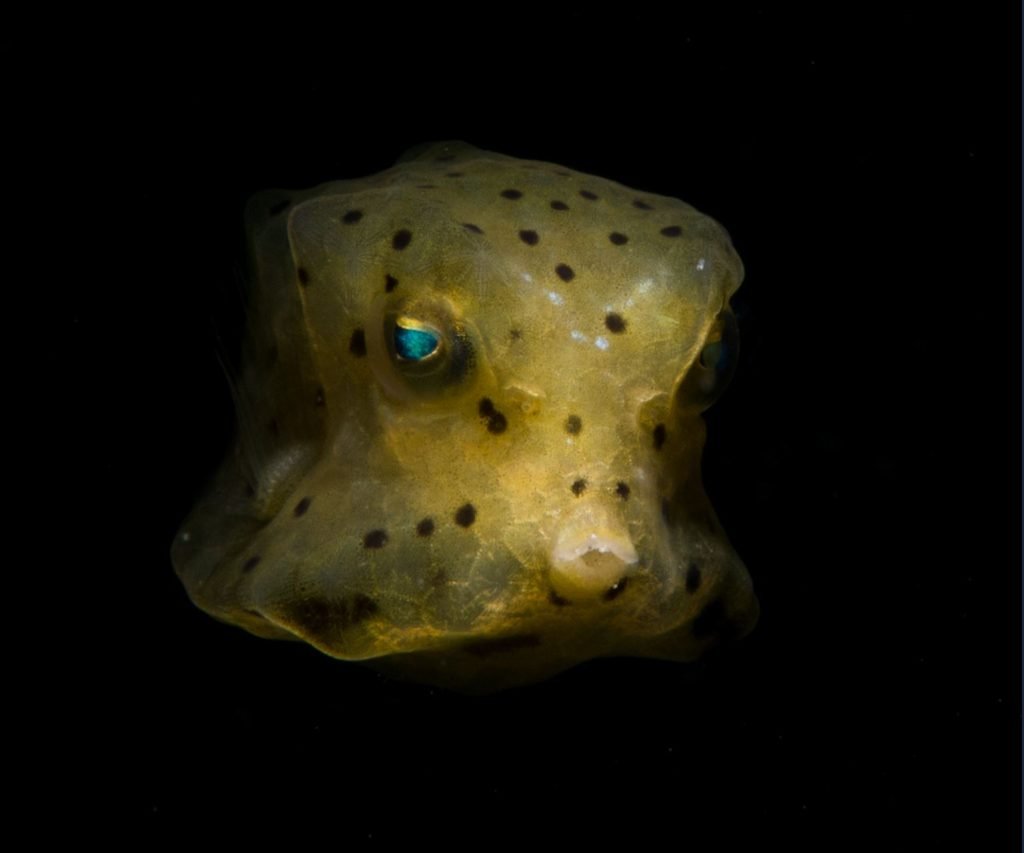
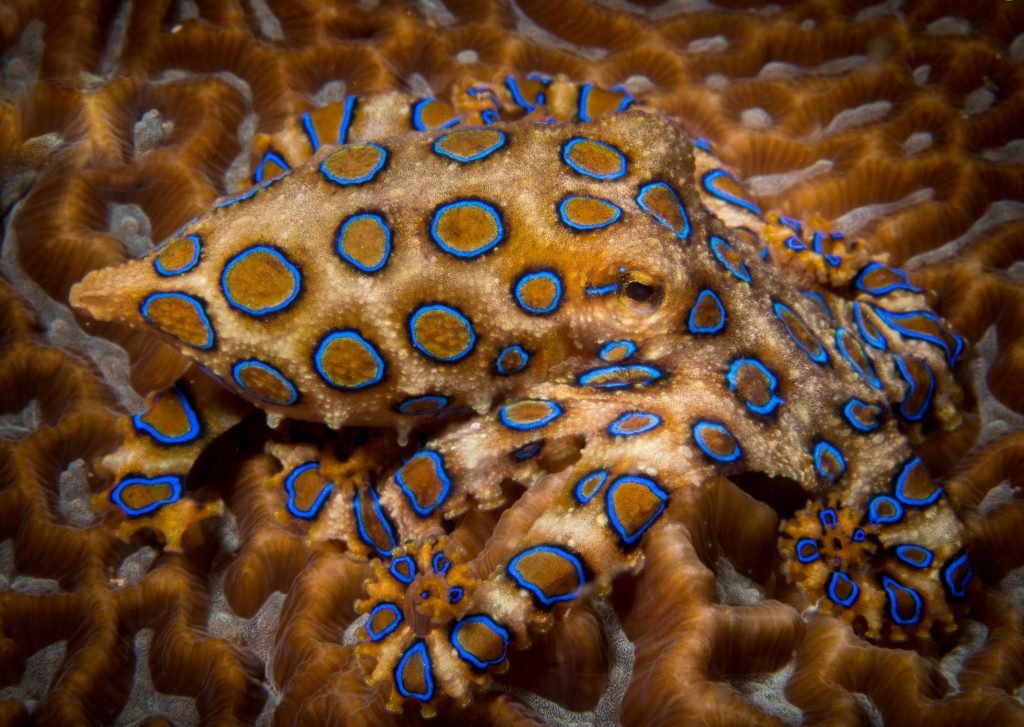
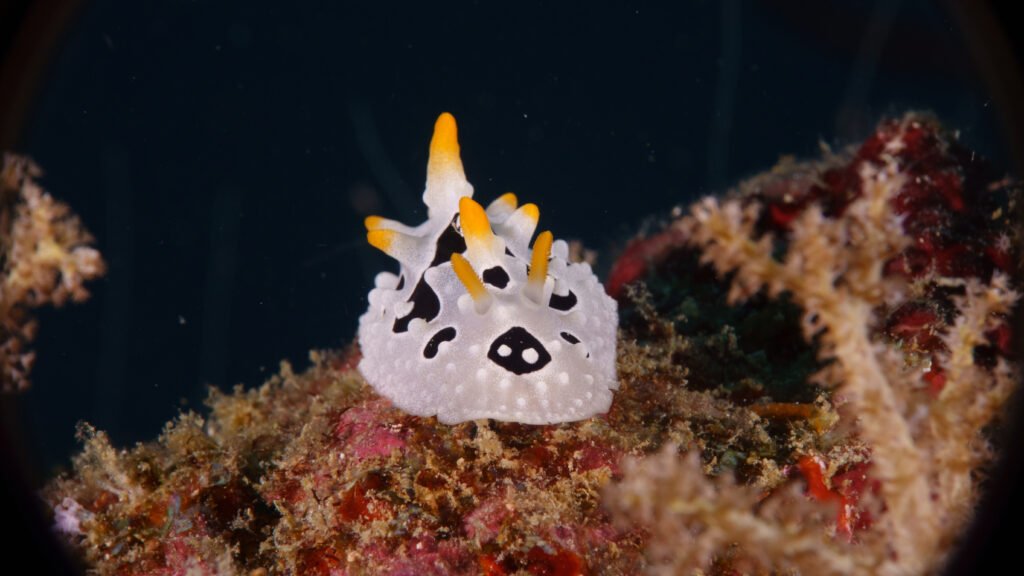
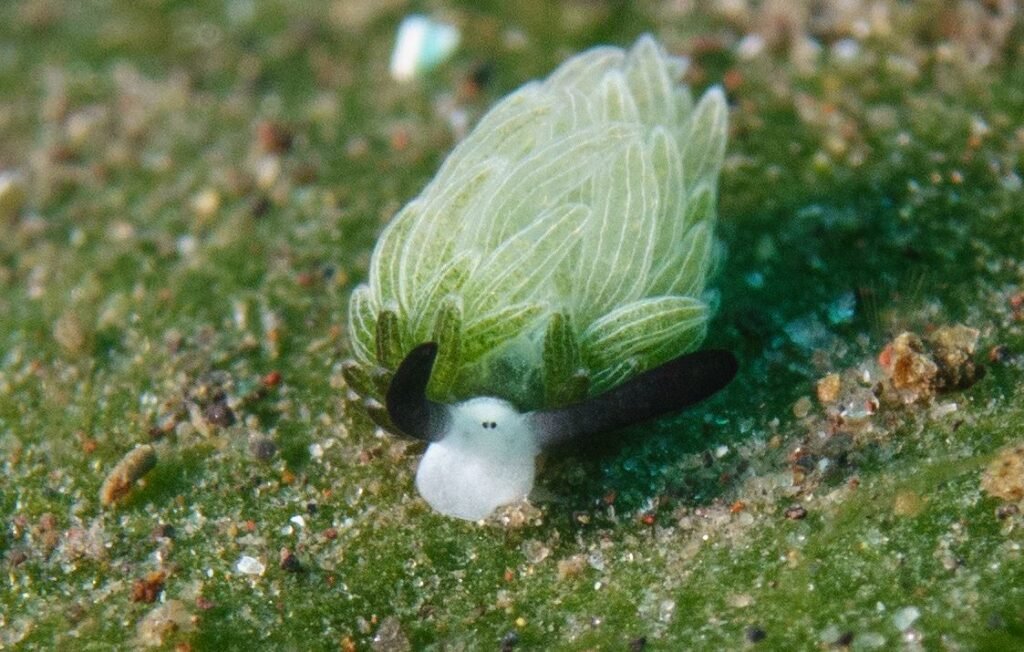
- Lembeh – known for its muck diving where you are looking for tiny, colorful critters on the ocean floor sand.
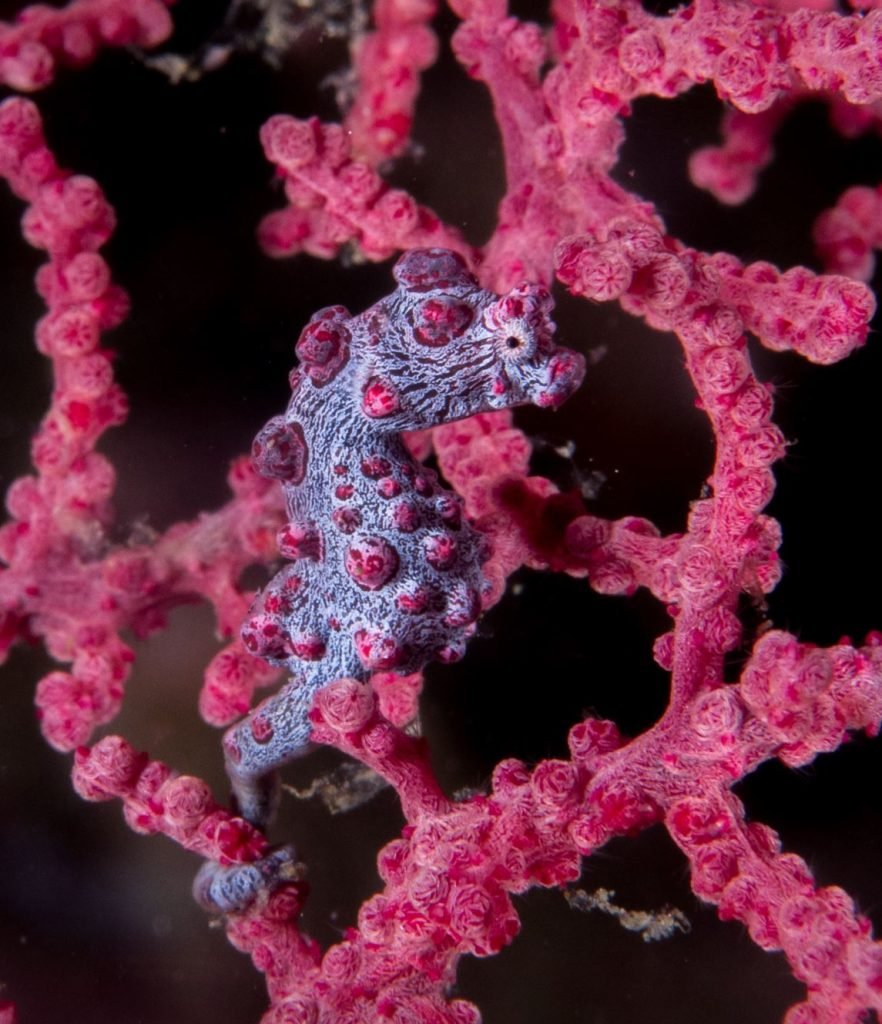
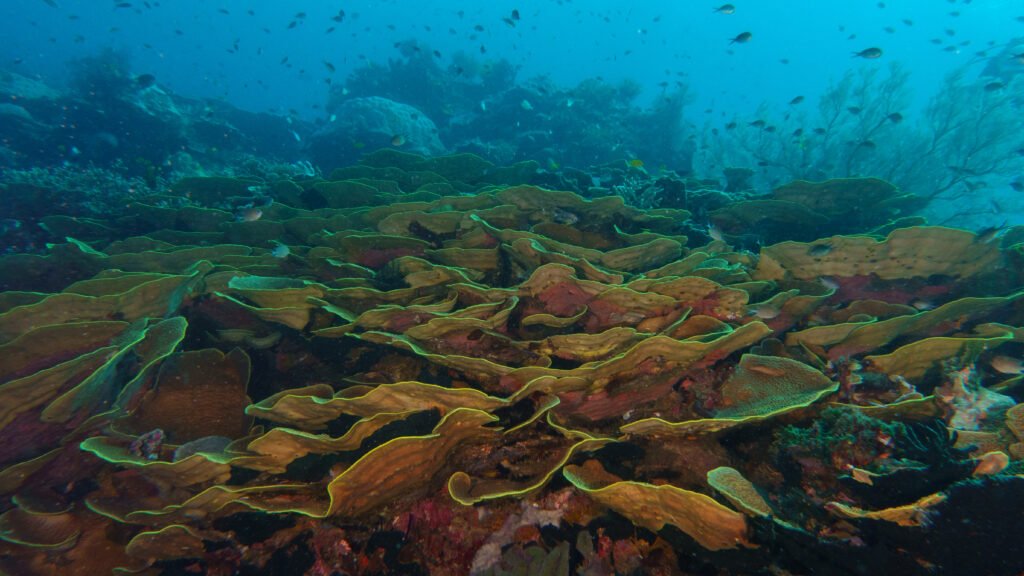
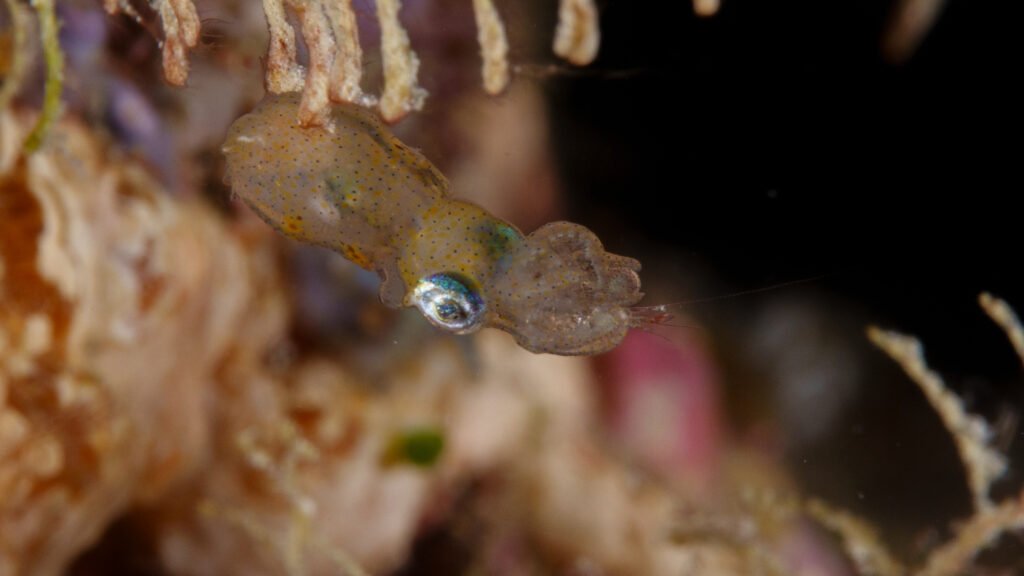
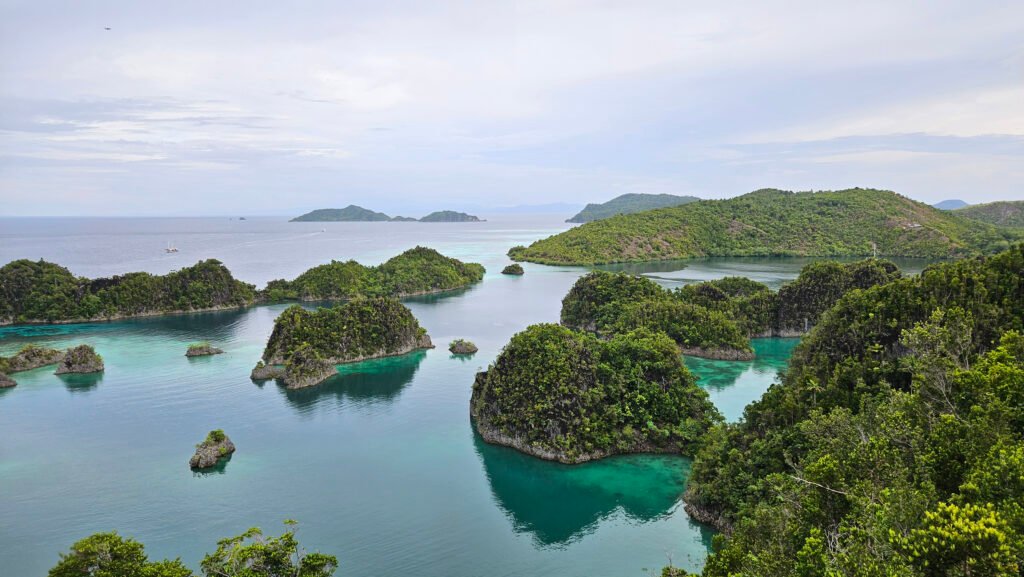
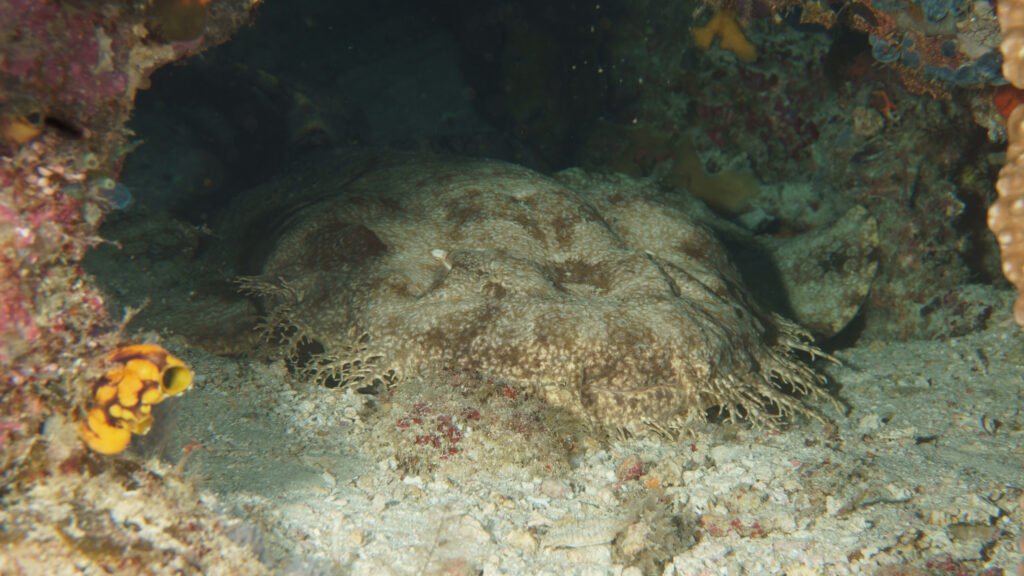
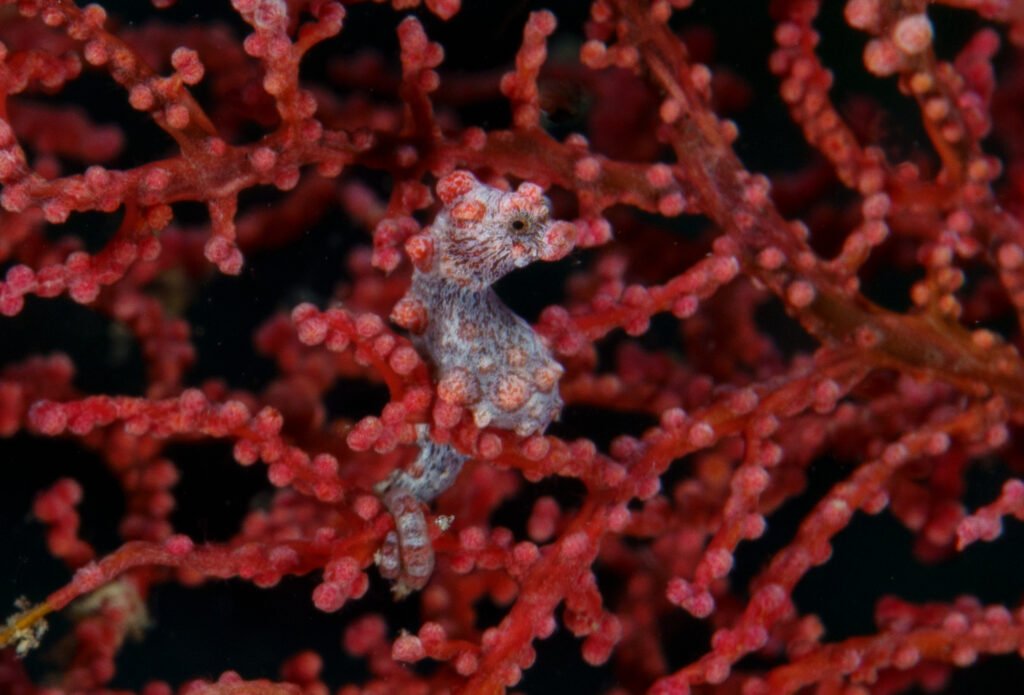
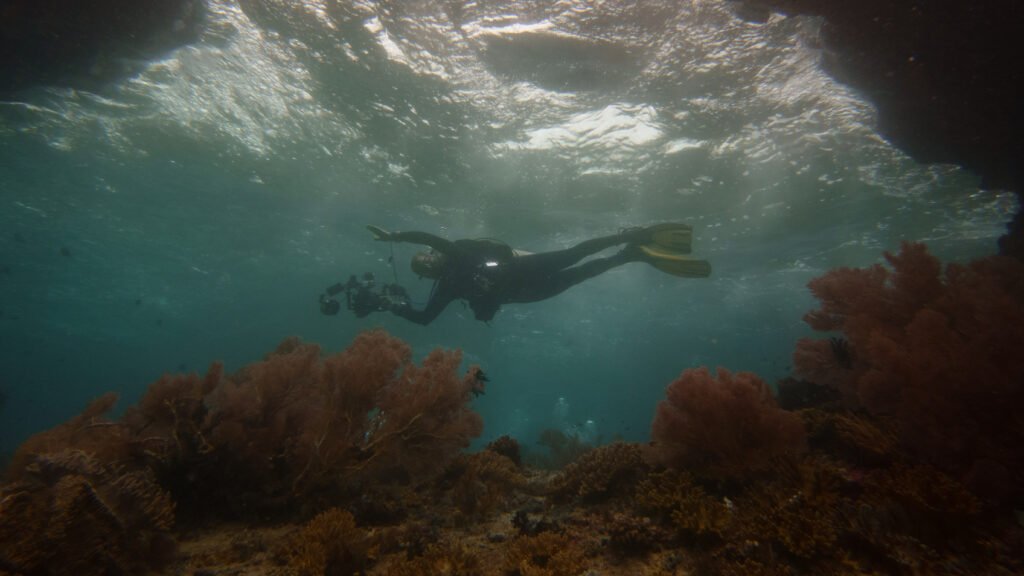
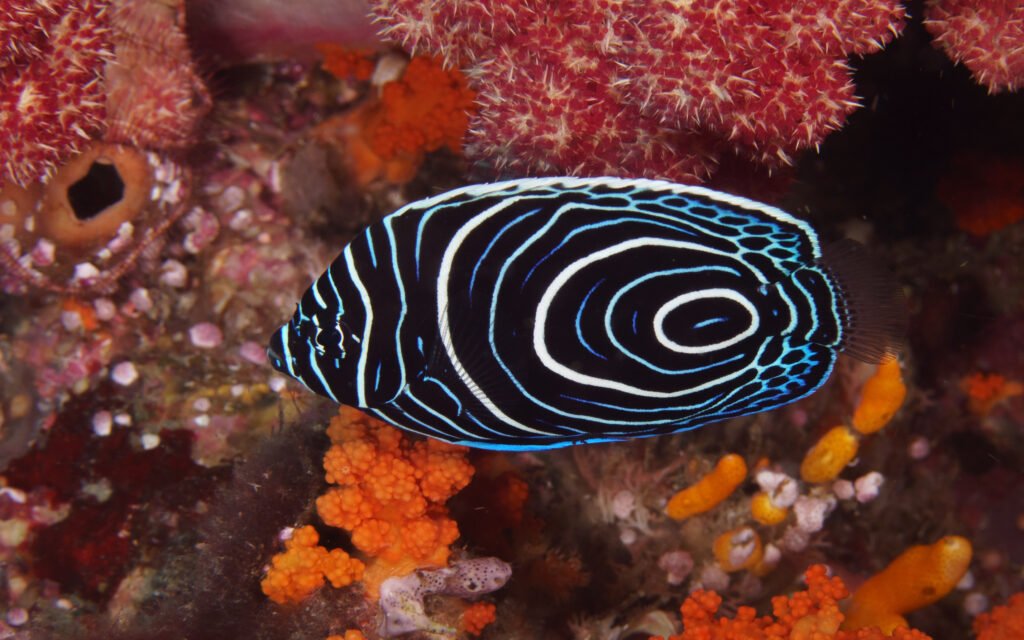
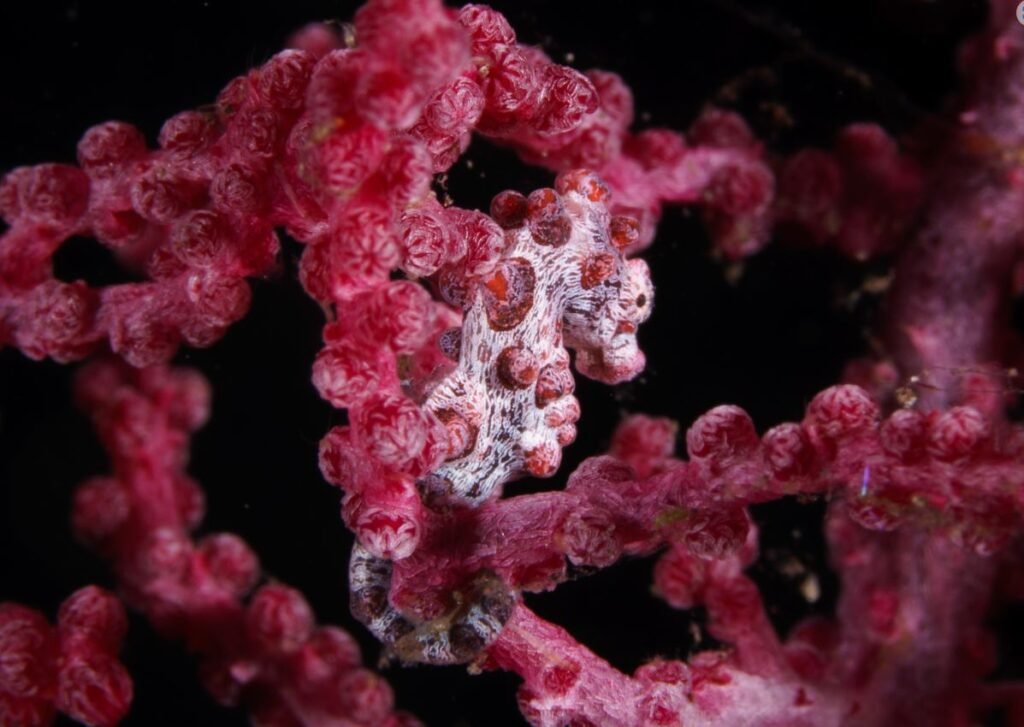
- Raja Ampat – This place has EVERYTHING! Large sea fans to tiny Pygmy Seahorses. If you are into photography, bring all of your equipment.
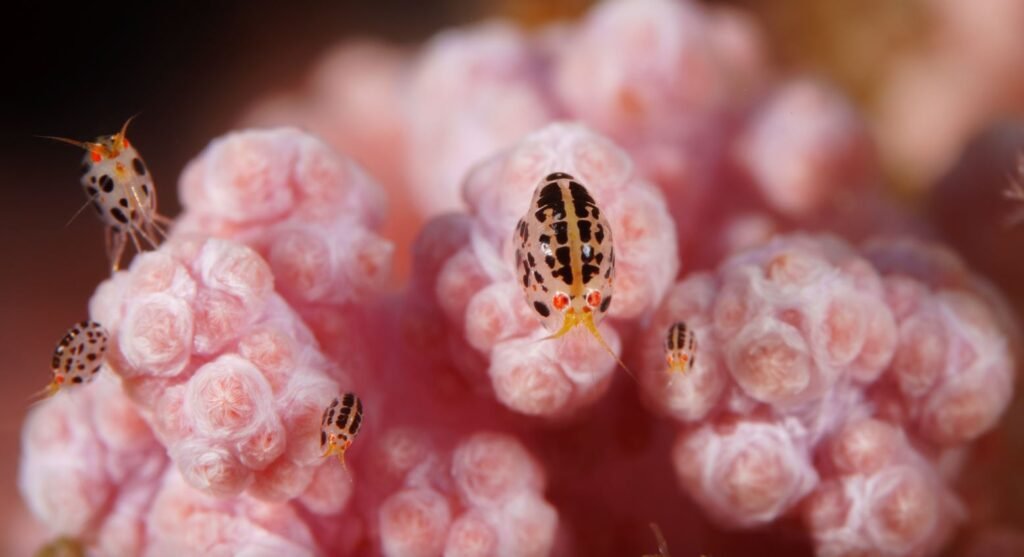
- Tulamben – muck diving on steroids – teeny, tiny things.
- Maldives
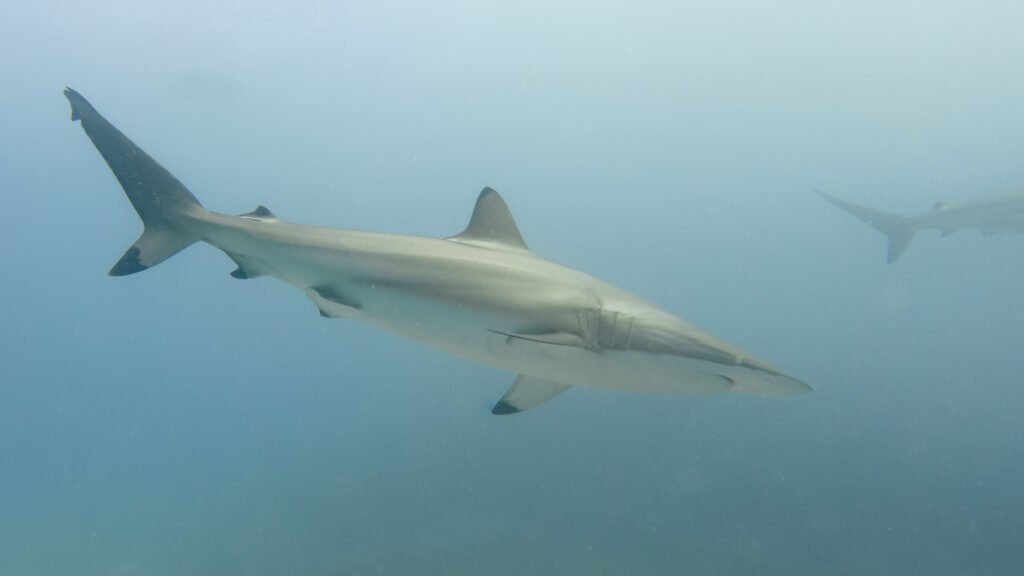
- Southern – the south is known for big pelagic marine life. The best way to see this area is via a Live-Aboard.
Lembeh
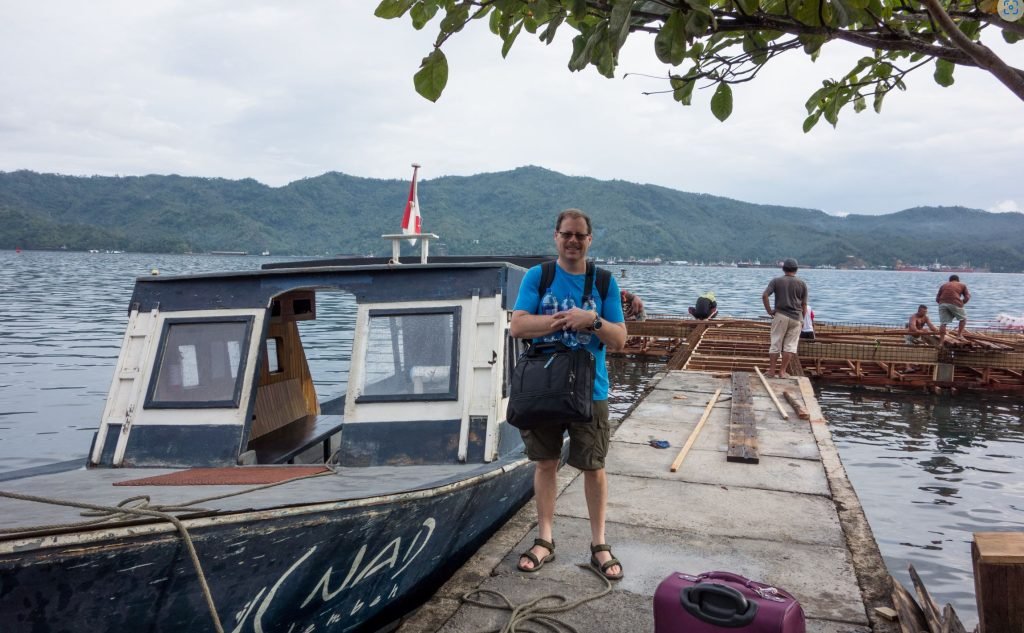
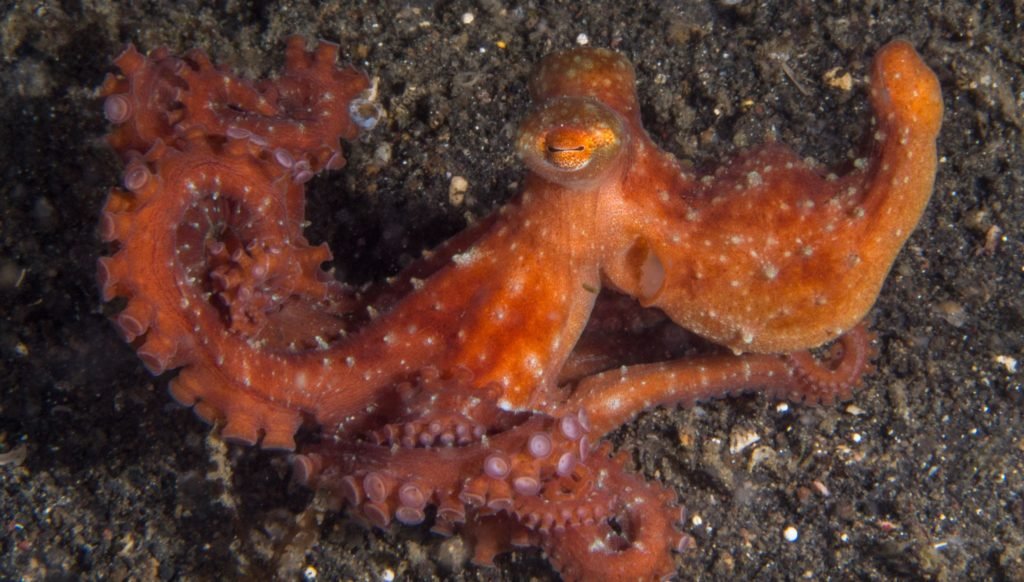
I have travelled to Lembeh, Indonesia a couple of times and the reason why I keep returning is the dark, black sand is perfect background for macro photography. Both times I traveled to Lembeh, I stayed and dove with NAD Resort.
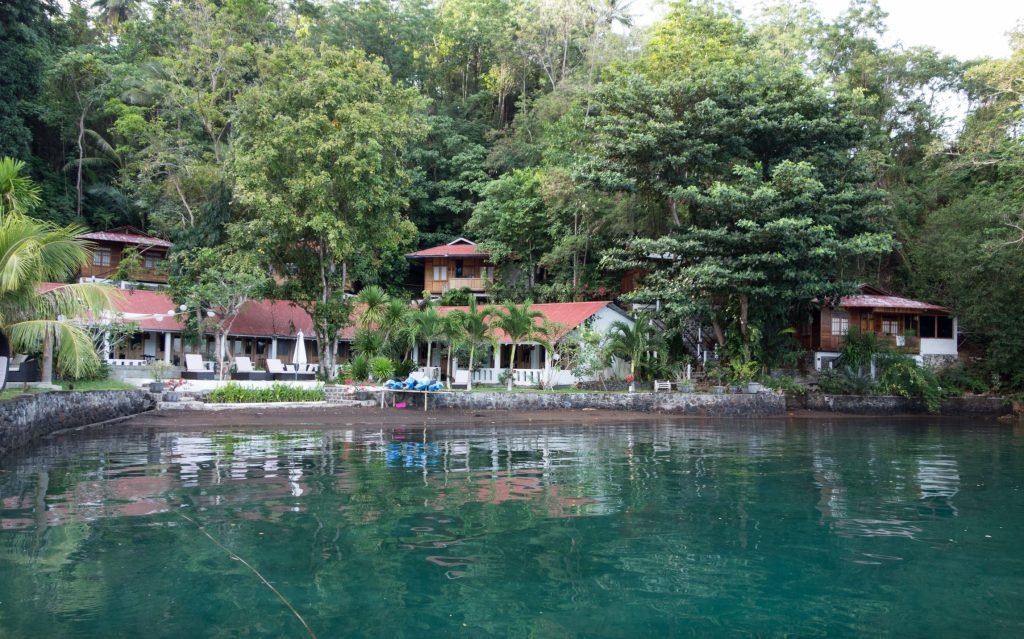
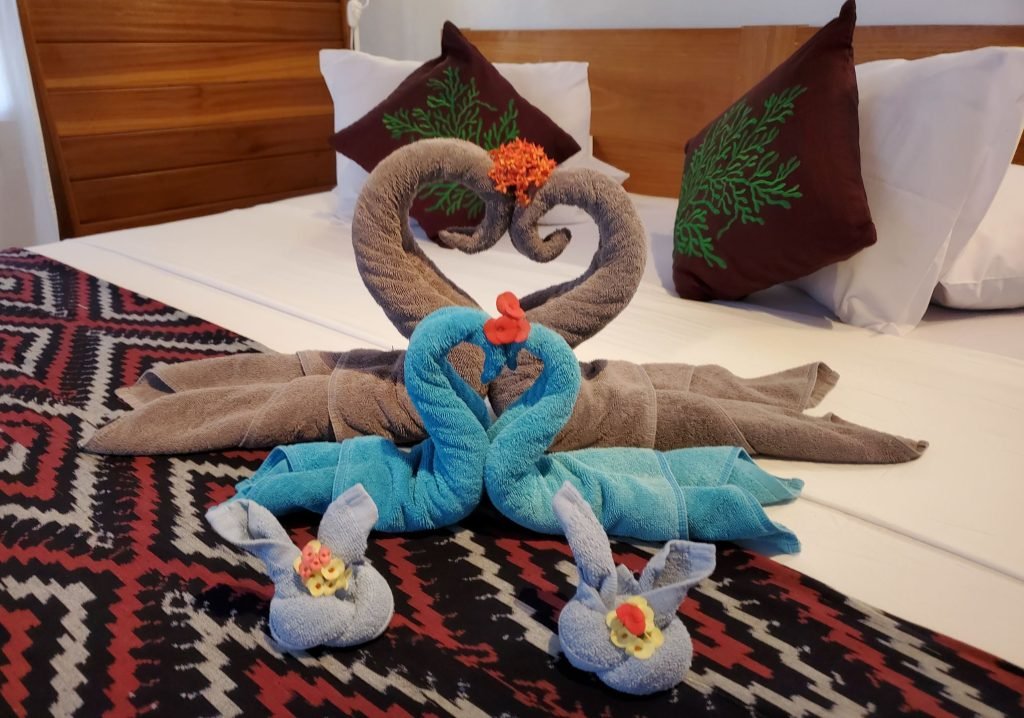
NAD Resort is top notch. It has 15 rooms – 10 are beach front rooms, and 5 are bungalows. The restaurant is buffet style with a variety of delicious food – you will not go hungry.
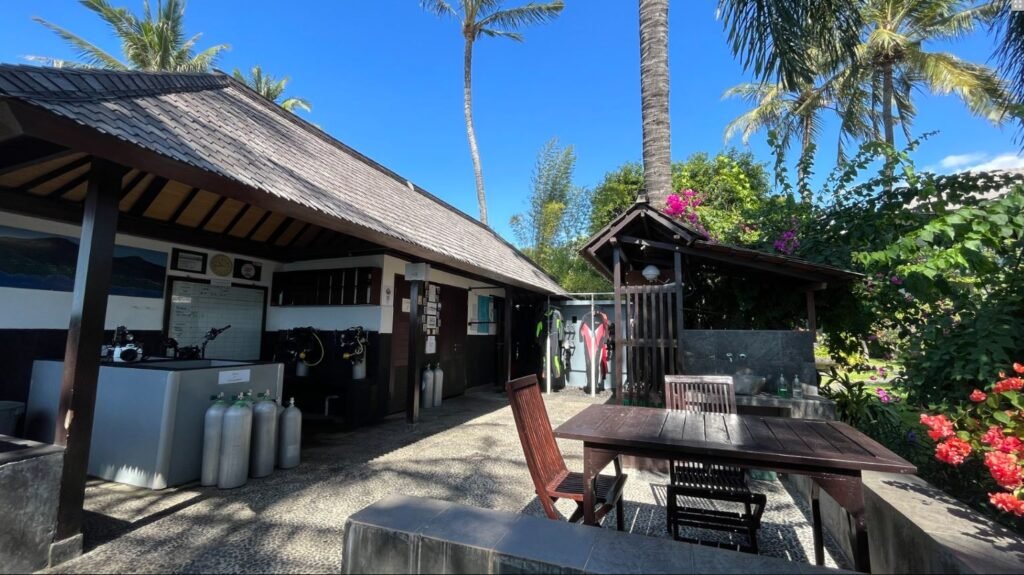
For diving, they have a 1:2 Dive Guide to Diver ratio and a great camera room where you have your own space to work on your camera gear.
Raja Ampat
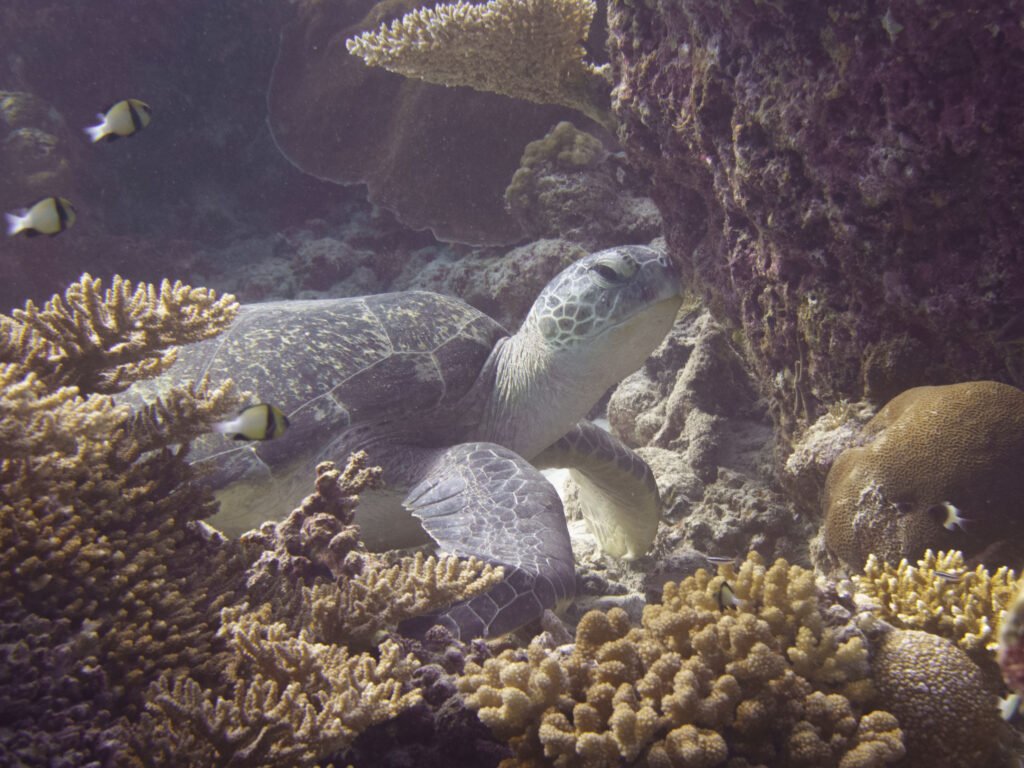
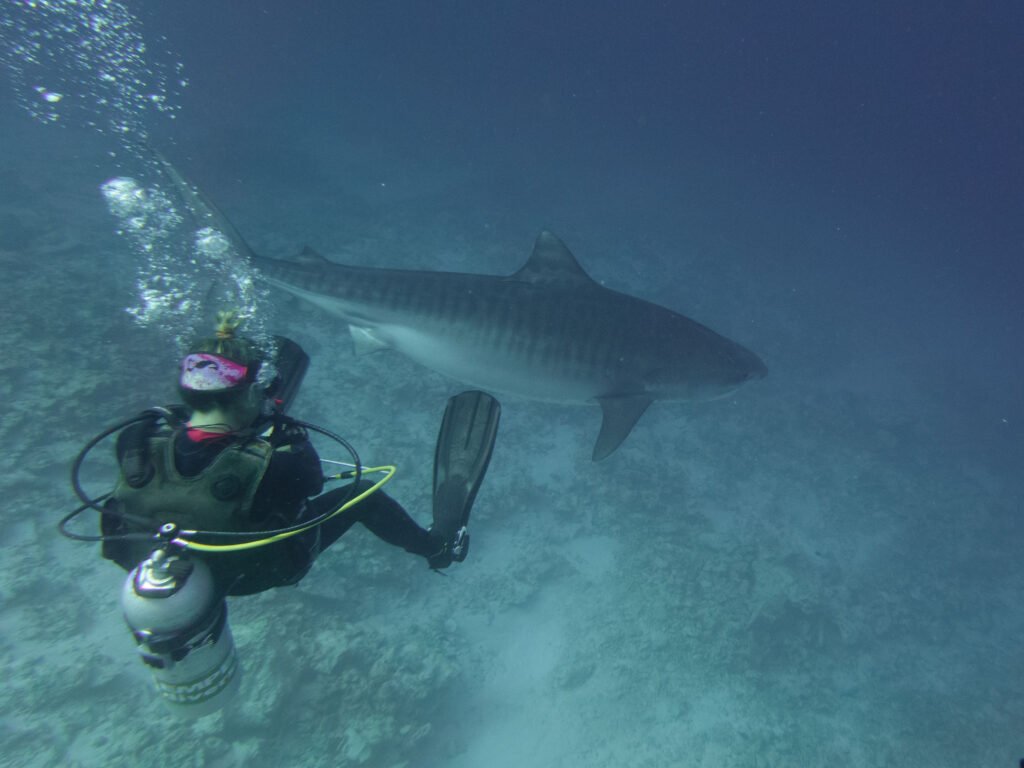
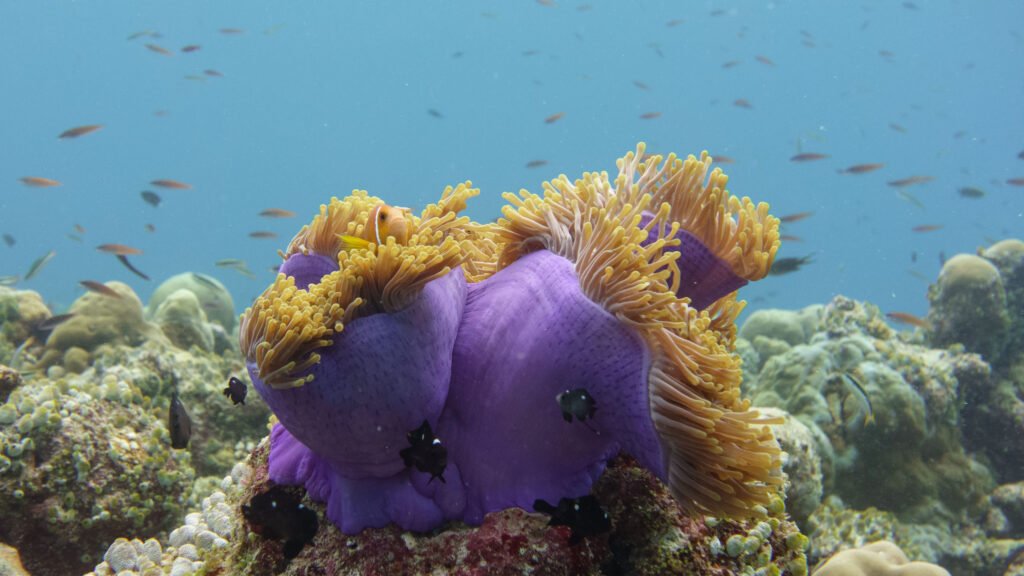
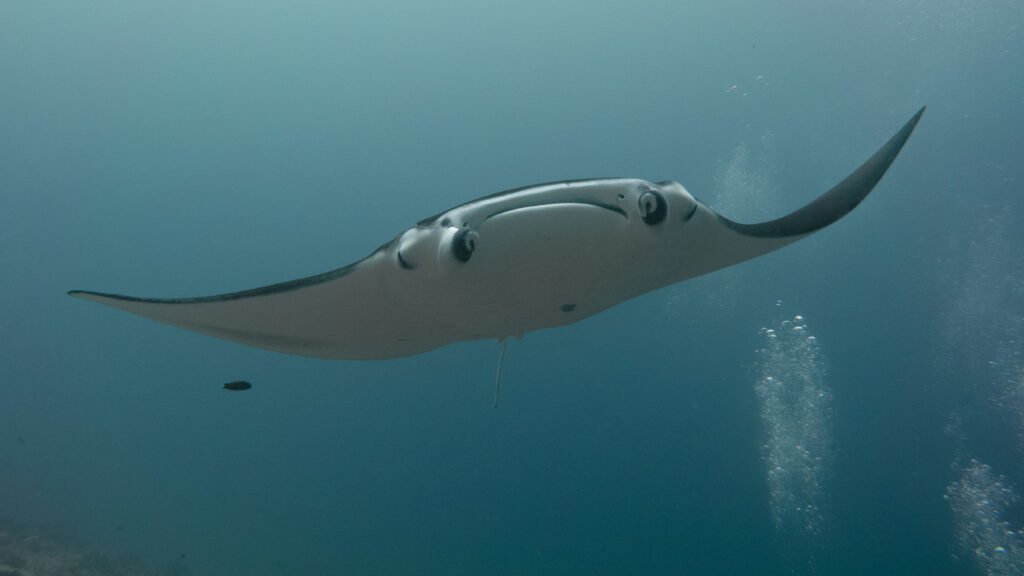
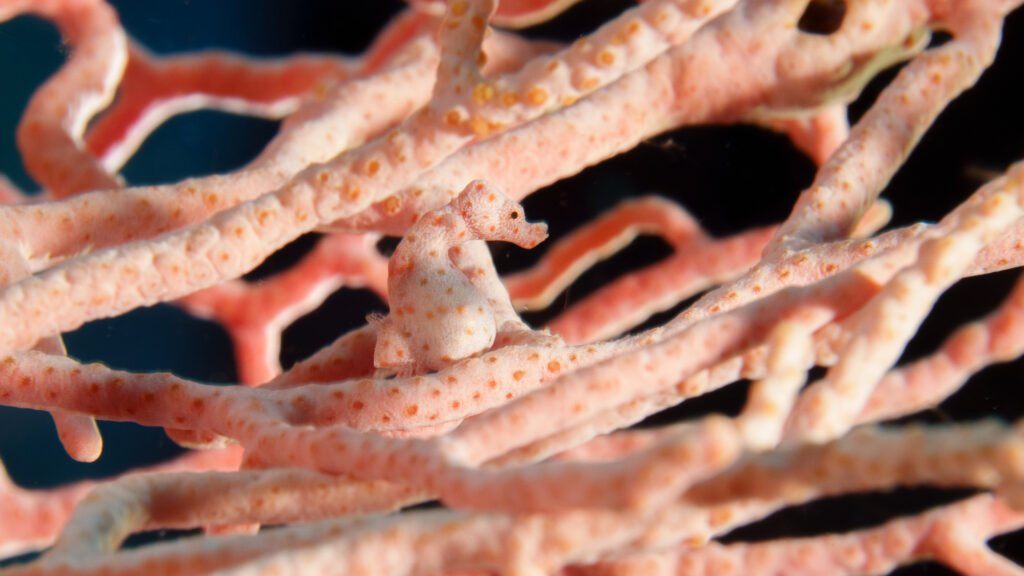
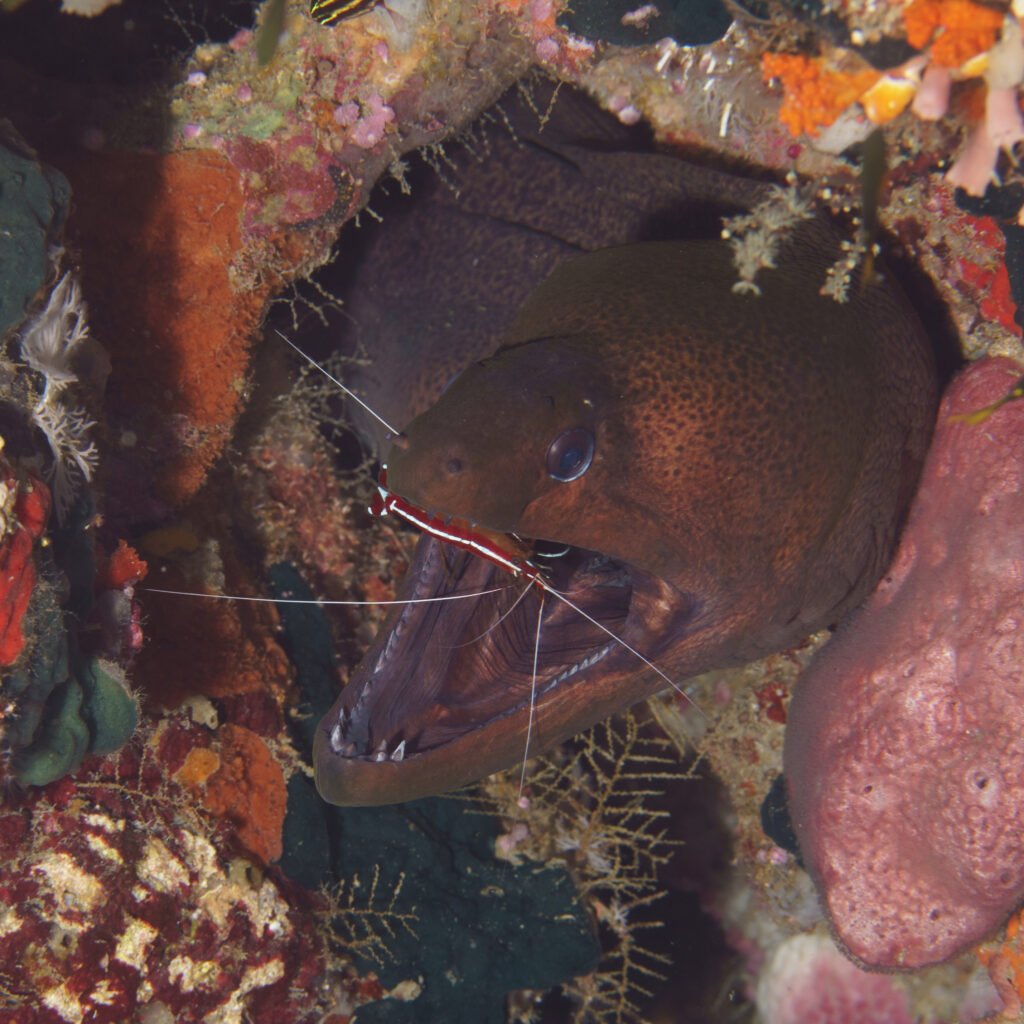
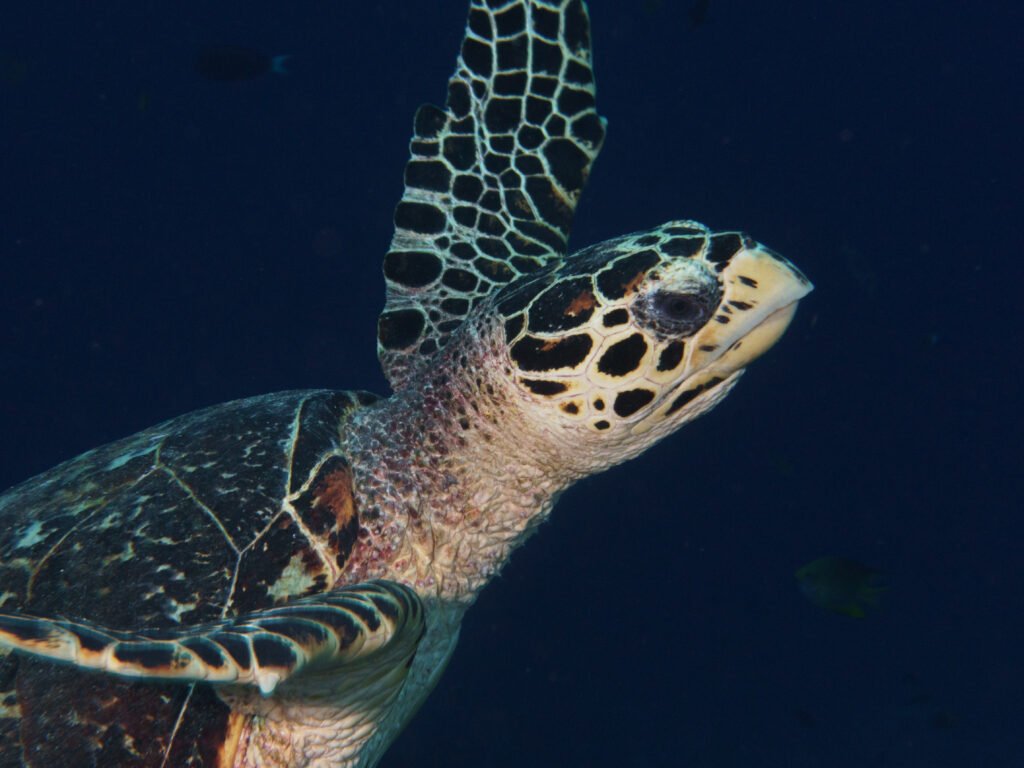
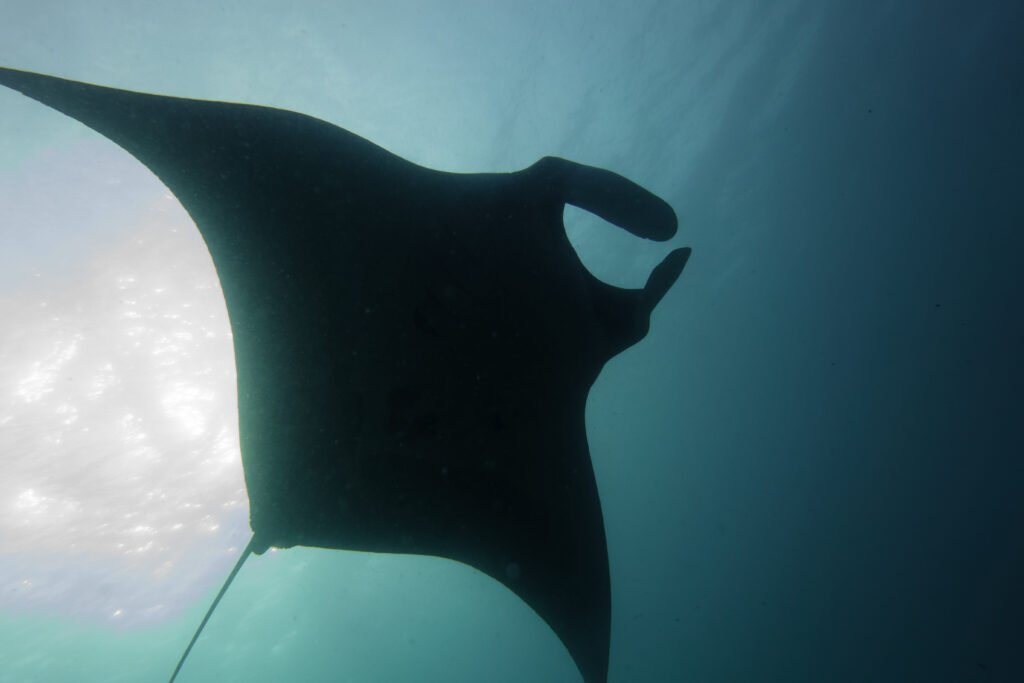
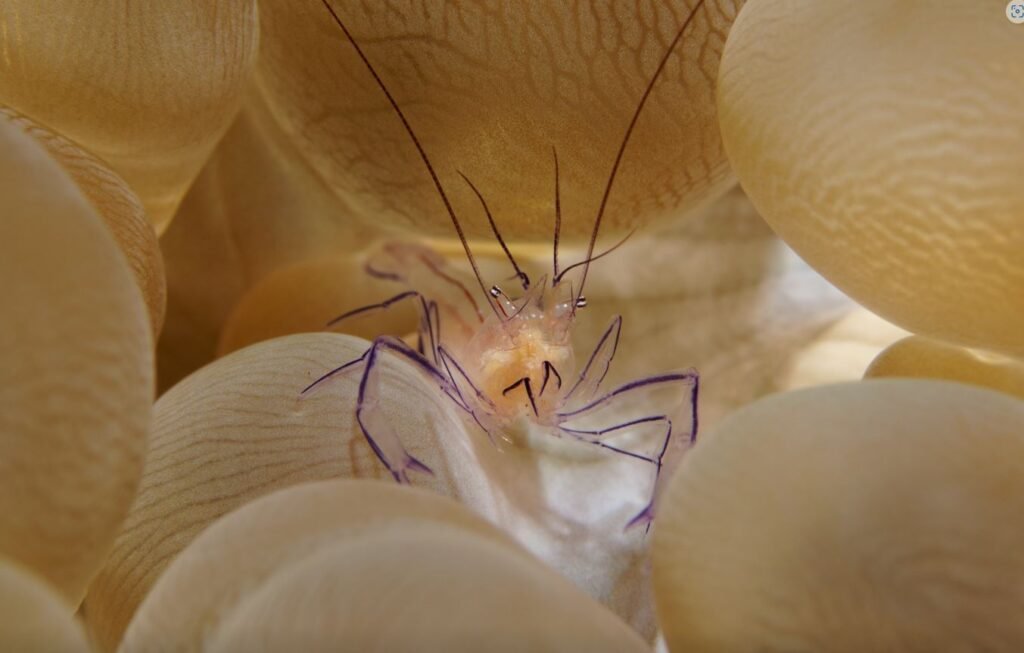
Raja Ampat offers EVERYTHING! It has healthy coral, large marine life (Sharks, Turtles, Manta Rays), macro marine life (Nudibranchs, Pygmy Seahorses, Anemone Shrimp), and everything in between. The best time to dive Raja Ampat is from October – April, and the only way to visit it is by boat. I chose Raja Ampat because so many other divers recommended it and I found it was the “easiest” to travel to out of all of the destinations in this area.
To travel to Raja Ampat, I flew through Jakarta to Sorong. I purposely arrived a day early because it required three different flights, and I did not want to miss the boat. Be forewarned, there is not much to do in Sorong, so plan on staying at your hotel and enjoy the change of pace and scenery.
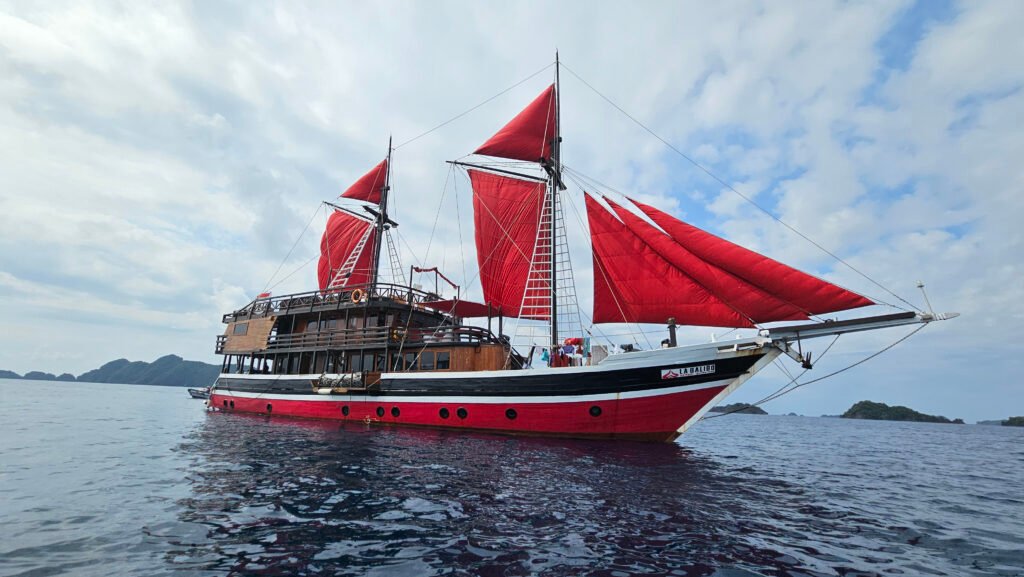
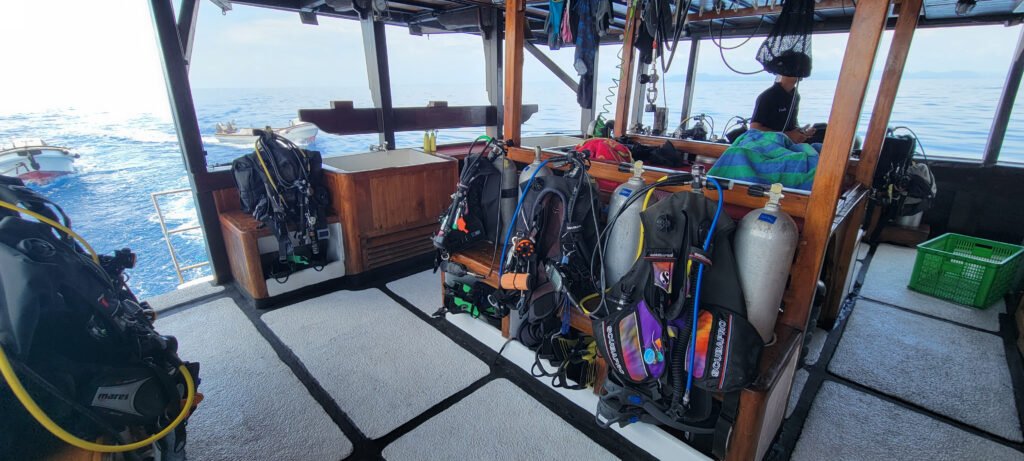
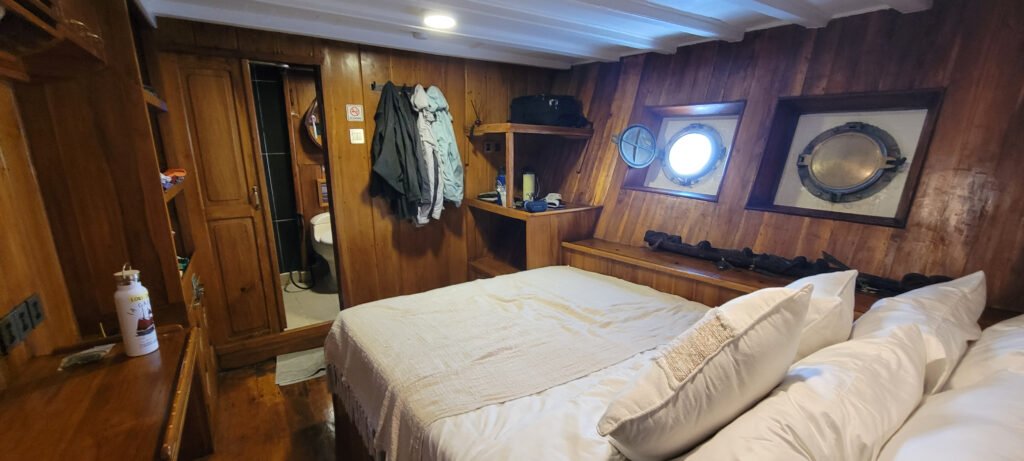
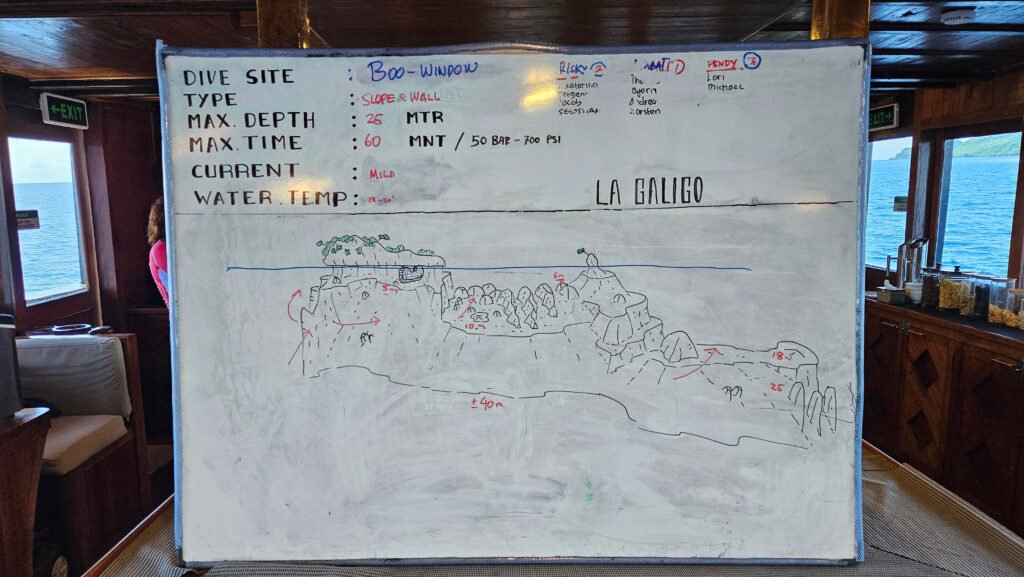
The boat I dove with was the La Galigo. I chose the La Galigo because it received great reviews on liveaboard.com, the dive guide to diver ratio is 1:4, the trip was longer at 12 days, and the boat was the traditional Phinisi wooden boat of the area. The boat carries 14 divers with 17-18 crew which makes it one of the smaller boats, however, that is what I prefer.
Tulamben
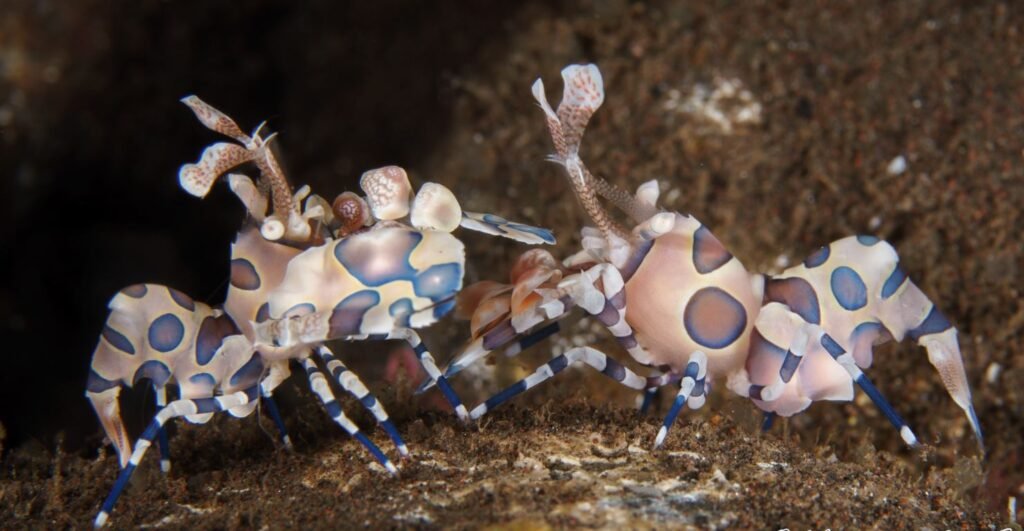
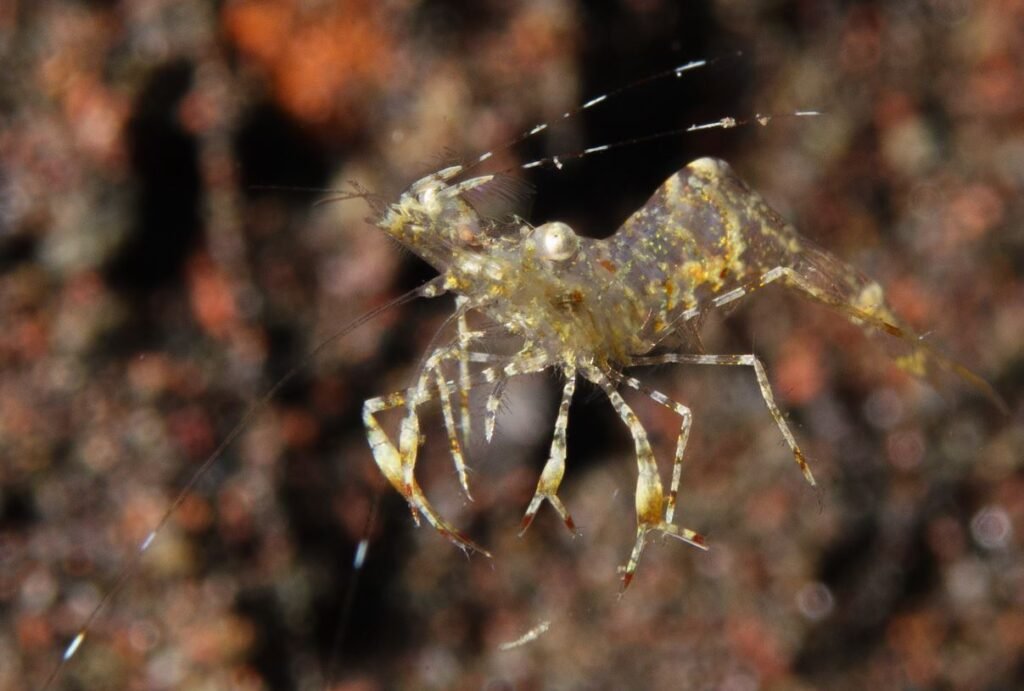
Tulamben, Indonesia is known for its muck diving. with the majority of the diving occurring around 80 feet. To say things are tiny here is an understatement. The dive guide was consistently showing me marine life that was ½ the size of a grain of rice. It pushed my macro photography skills to the limits, but I did capture some fantastic, beautiful shots of tiny marine life.
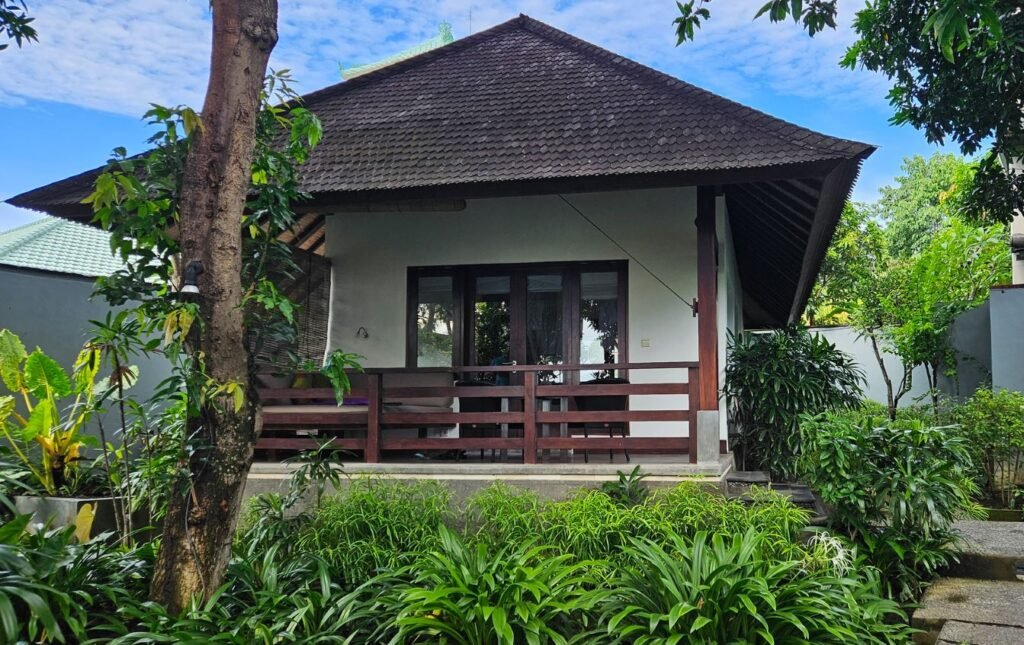
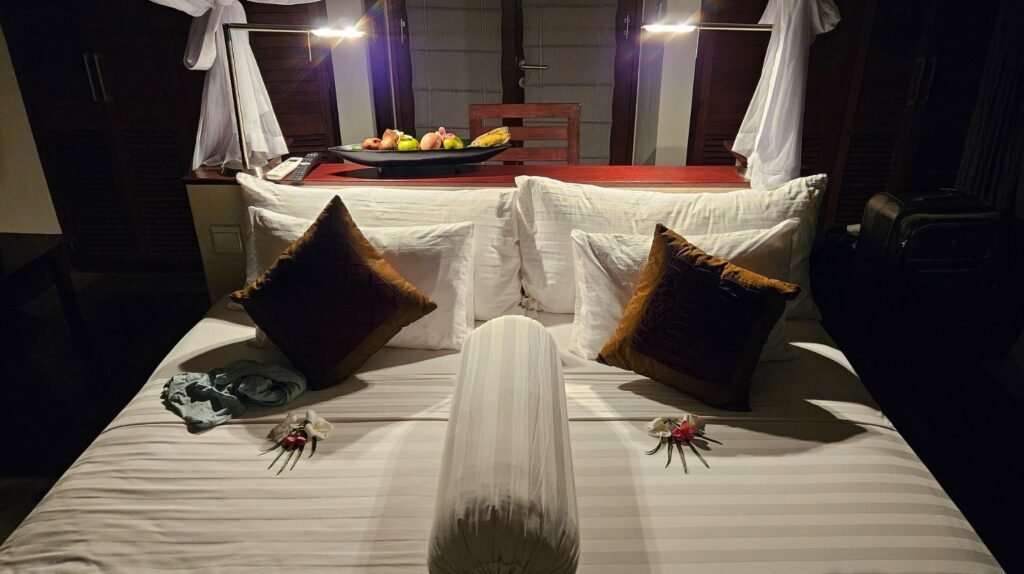
I stayed at the Villa Markisa. Most of the rooms are large, separate bungalows with an outdoor bathroom and shower. All of the food- breakfast, lunch, and dinner – were delicious. While I was there many of the guests had stayed multiple times and were staying multiple weeks, which is a good indicator of the quality of the resort.
Maldives
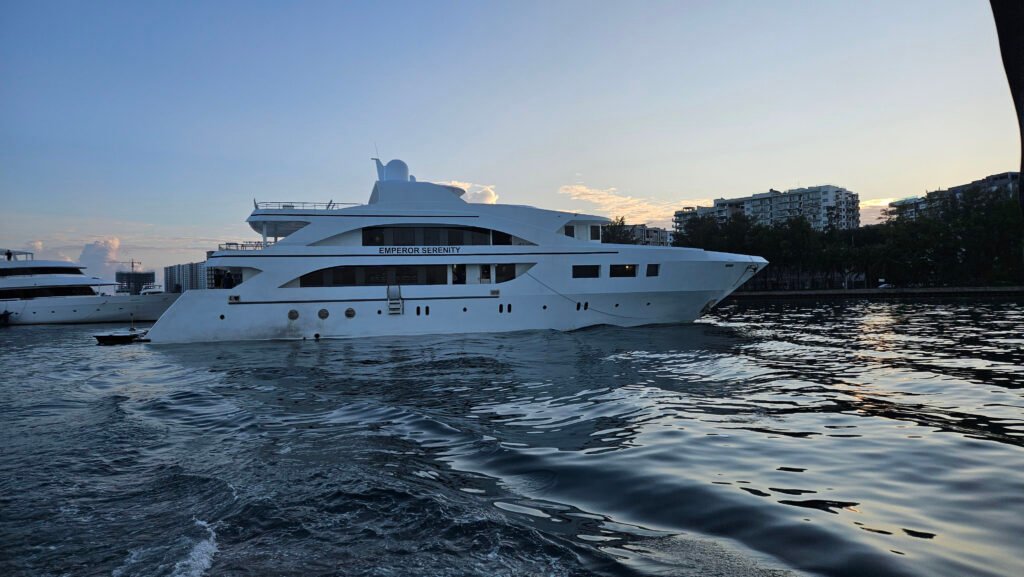
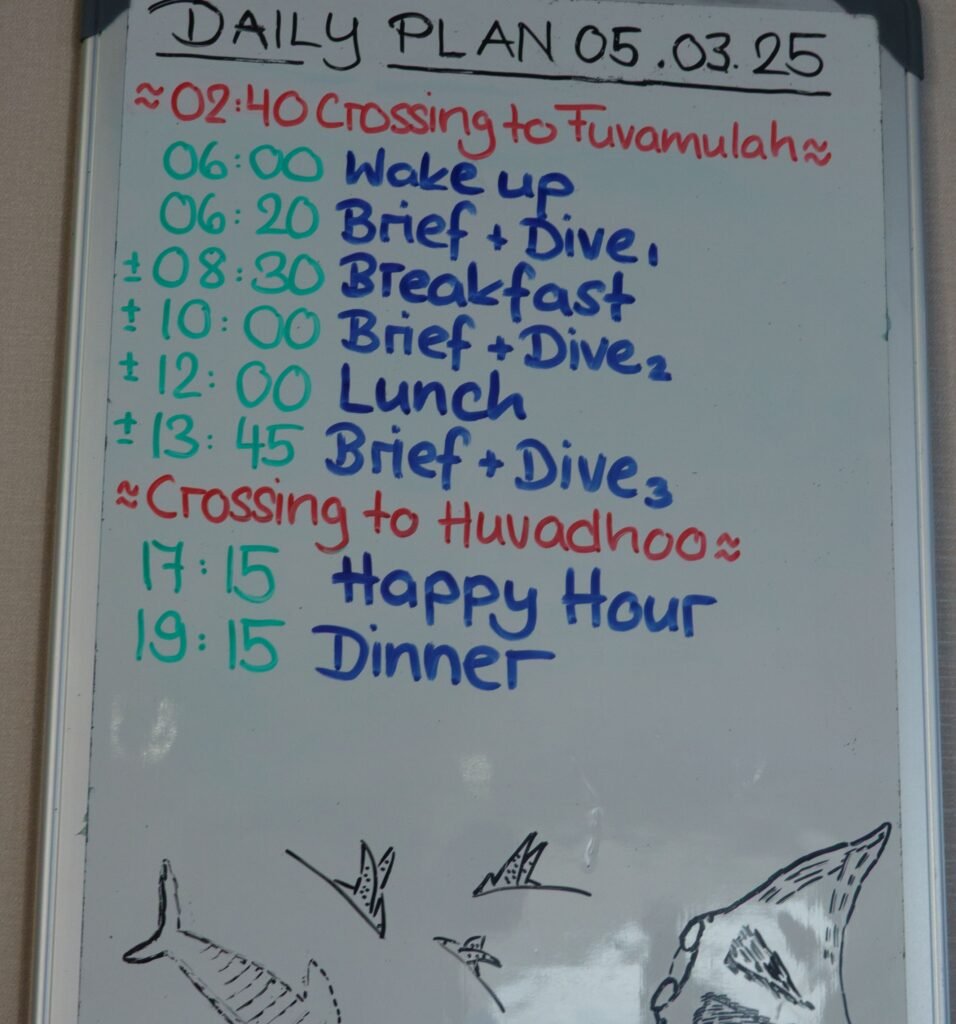
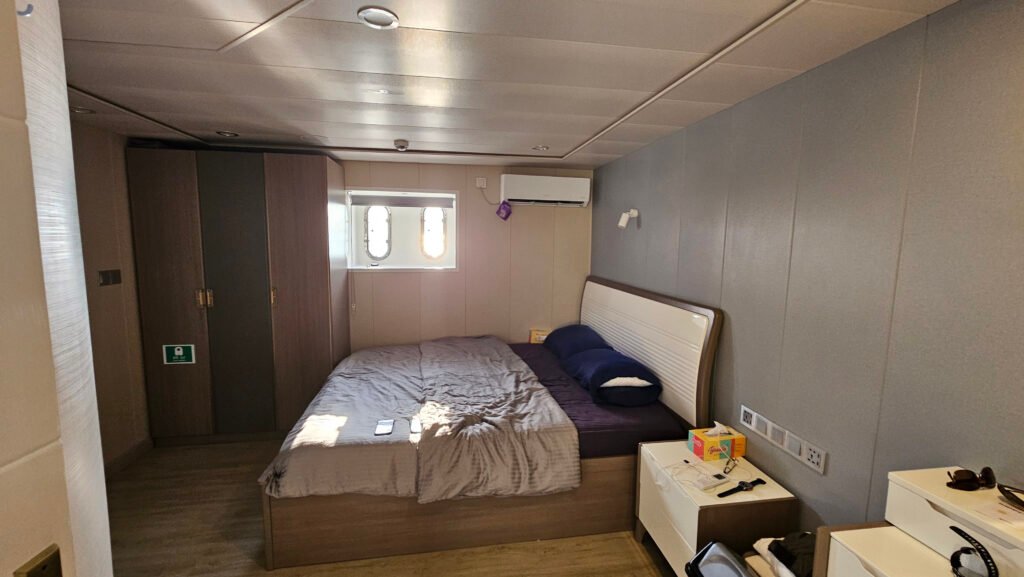
The Maldives is divided into 3 regions – Northern, Central, and Southern. I have visited the Maldives once and I explored the southern part via a 2-week liveaboard on the Emperor Serenity. I have dove on many liveaboards, and this boat has the largest bedroom and bathroom I have ever seen. It is also the only boat where it required its divers to have logged 100+ dives to book.
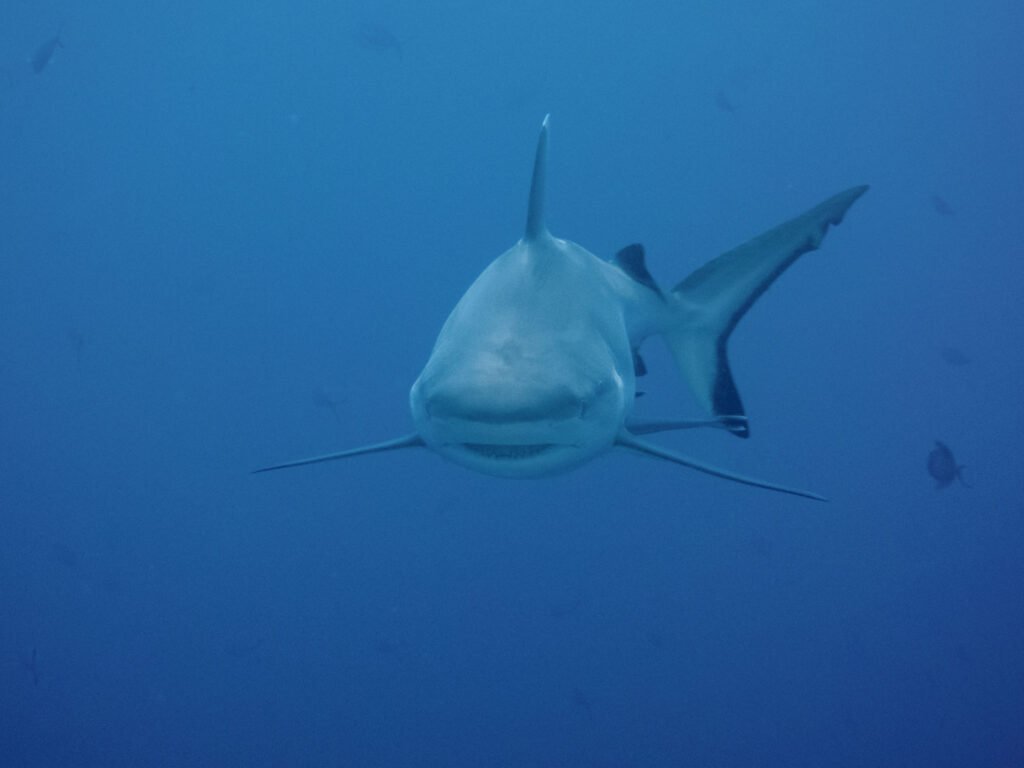
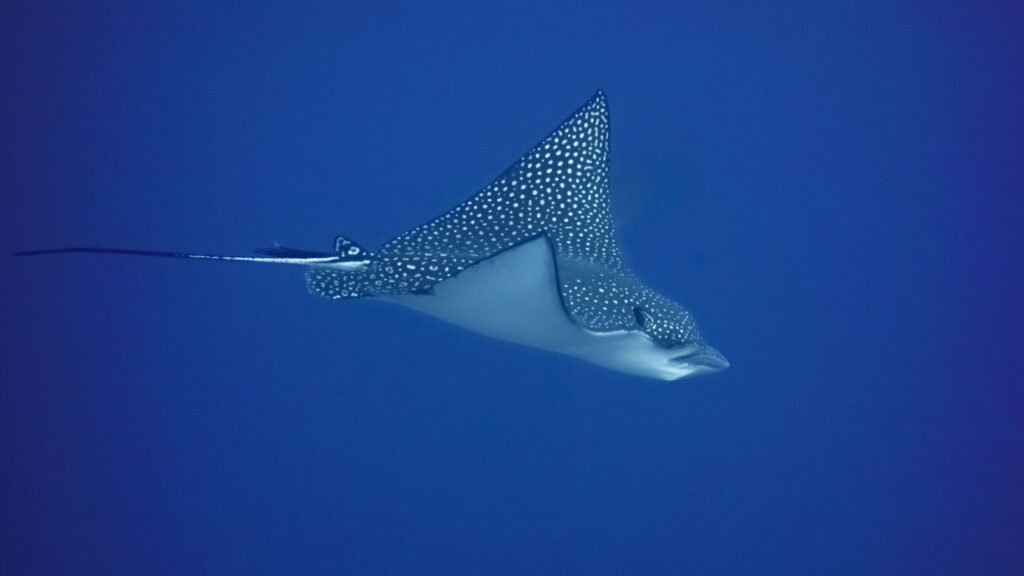
I chose the Maldives because I heard so much about the marine life and the Southern Maldives fit the timing of when I wanted to go. The Southern Maldives are known for big pelagics – numerous Shark species, Manta Rays, etc. – and it was amazing; however, I found the diving a little repetitive for my taste (lots and lot of deep channel dives). Based on feedback from the other divers, I still want to explore the northern and central Maldives and those areas remain on my bucket list.